
About Bbdbuy Spreadsheet
Click the images below to browse!
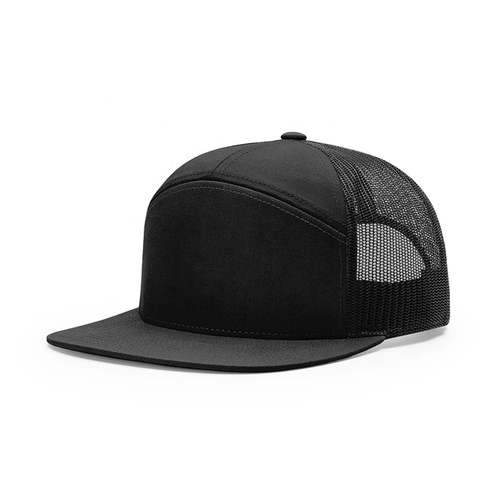
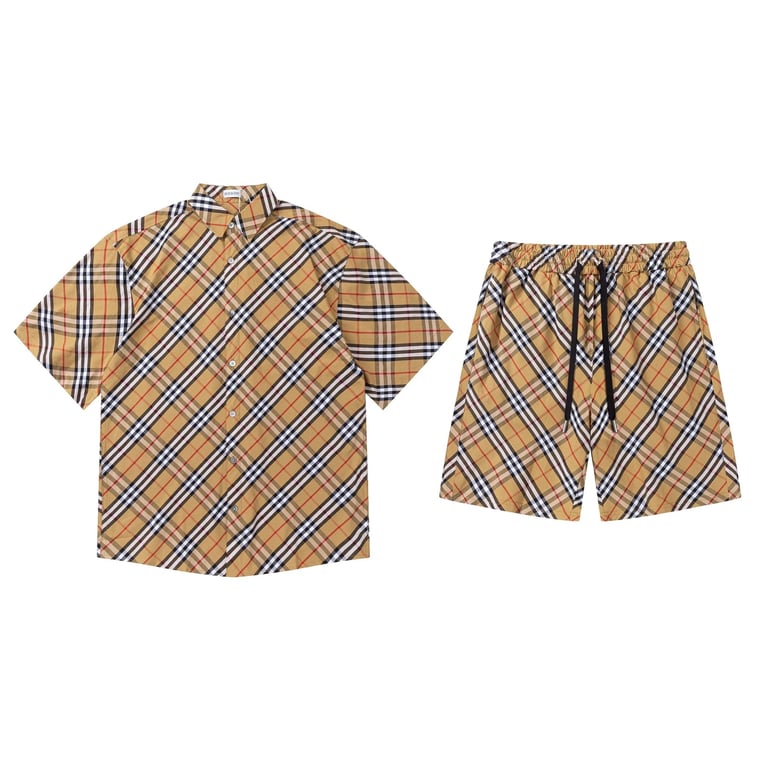
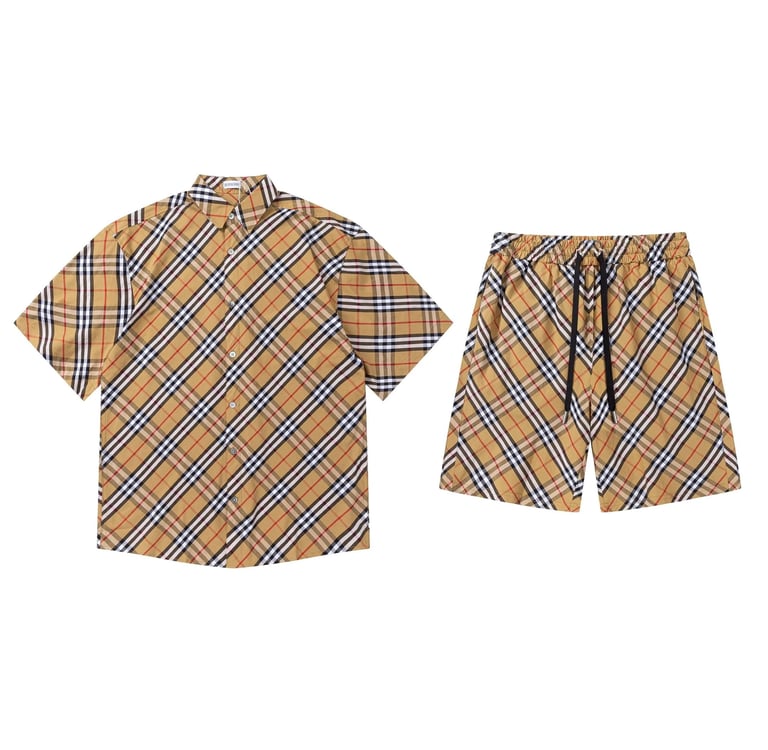
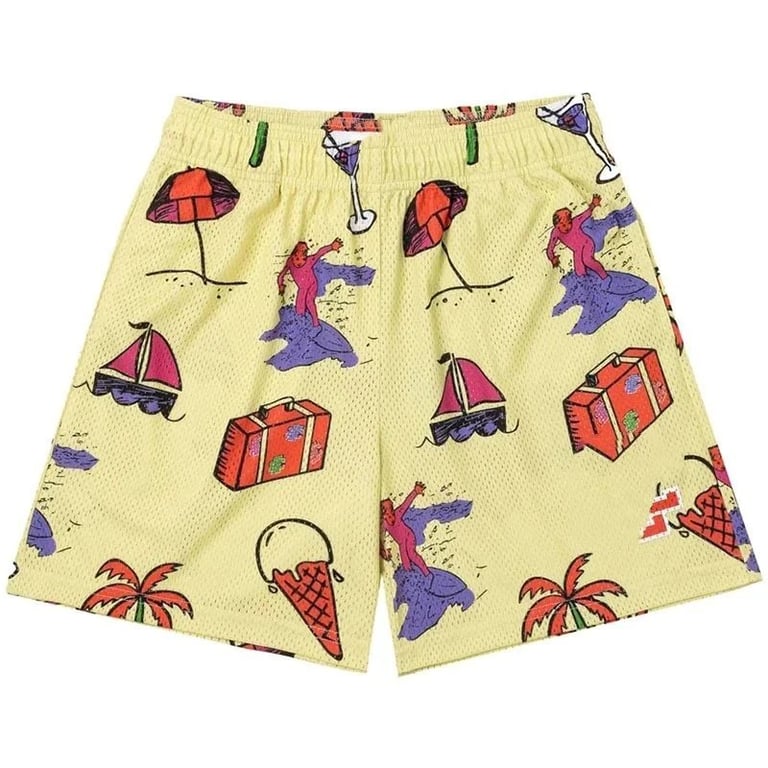
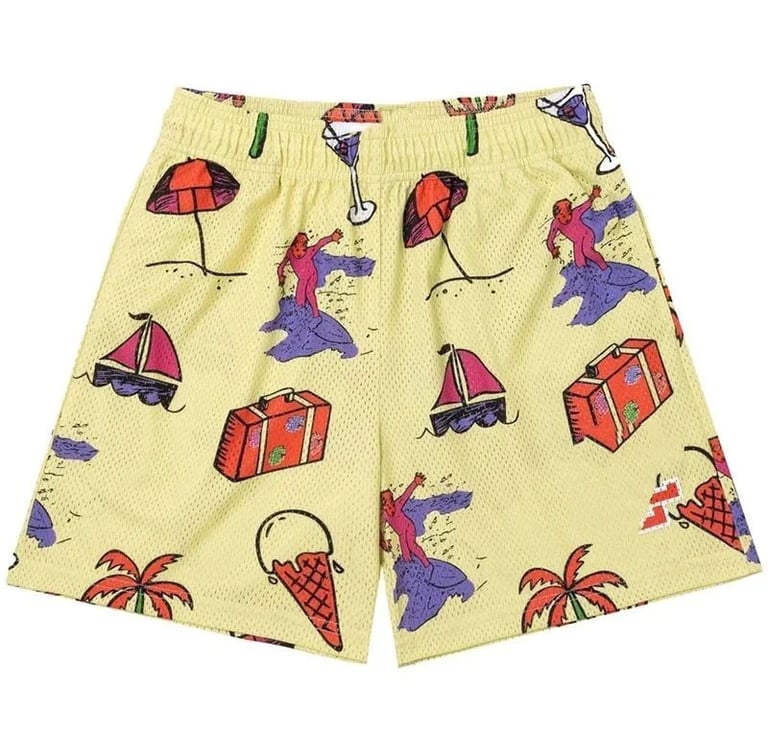
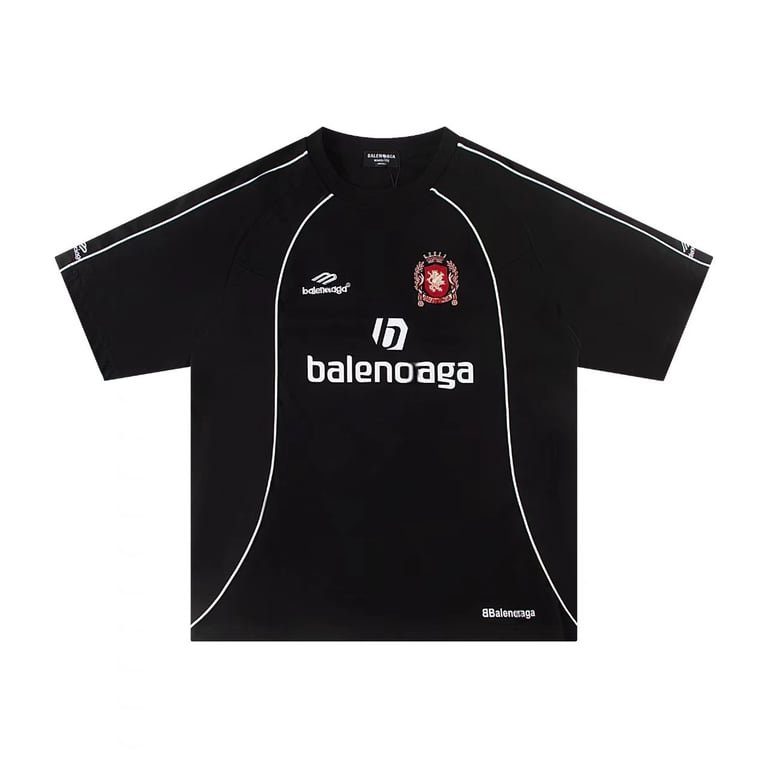
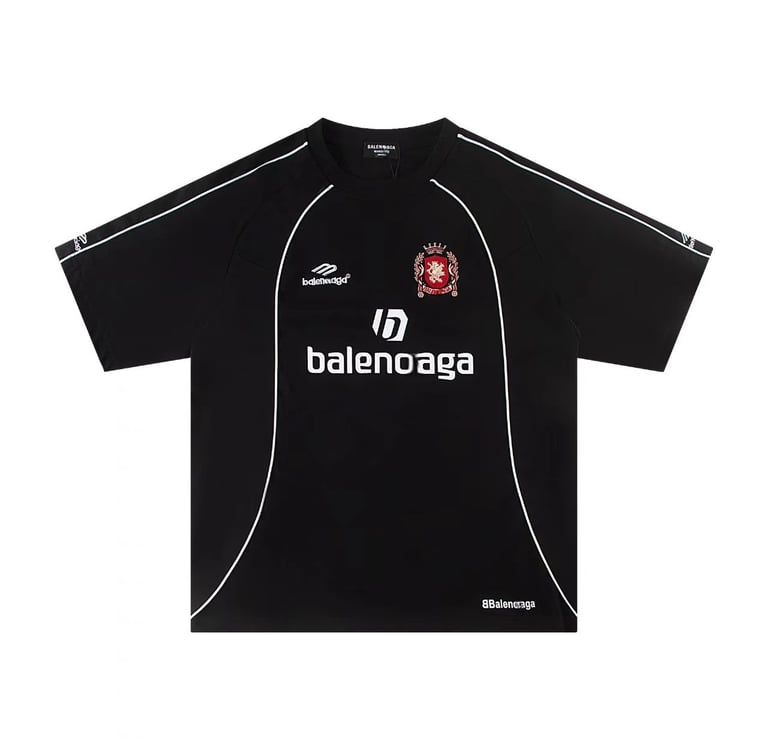


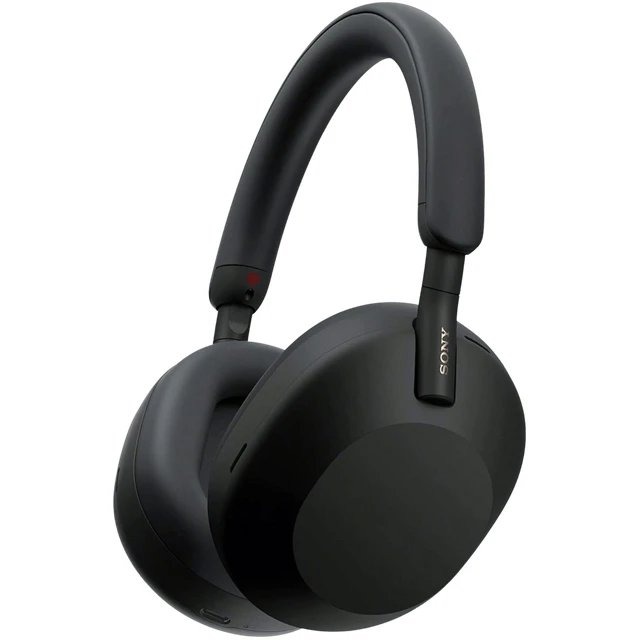
📊 Bbdbuy spreadsheet helping users compare home products before purchase|price comparison + size matching + usage scenarios
🧭 Introduction
Home product shopping in cross-border ecommerce environments is often complicated by inconsistent listings, unclear specifications, and difficulty comparing similar items across different suppliers. Users browsing platforms such as 1688 or micro-stores frequently encounter products that look similar but vary significantly in size, material, and functional suitability.
The Bbdbuy spreadsheet is designed to solve this problem by structuring home products into comparable datasets. It allows users to evaluate price differences, size compatibility, and usage scenarios in a unified format before making purchasing decisions. In addition, Bbdbuy links provide direct access to grouped product sources, reducing time spent on manual browsing.
This structured approach helps users move from fragmented browsing behavior to systematic comparison-based decision-making.
🏠 Home product comparison challenges in cross-border shopping
One of the biggest challenges in cross-border home shopping is the lack of standardized product presentation. Even within the same category, products often differ in measurement units, description accuracy, and usage definitions.
For example, two storage boxes may appear identical in images but differ significantly in actual capacity, material strength, or stacking compatibility. Similarly, kitchen tools may vary in usability depending on regional manufacturing standards.
Without structured comparison tools, users often rely on visual judgment alone, which increases the likelihood of mismatched purchases. The Bbdbuy spreadsheet addresses this by aligning similar products into structured comparison groups.
📏 Size and usage mismatch problems in home purchasing
A common issue in home product selection is the mismatch between product size and intended usage environment.
Users frequently encounter situations such as:
Furniture that does not fit the intended room space
Storage units that exceed available capacity
Kitchen tools that are too large or too small for daily use
Cleaning products unsuitable for household layout or frequency
These mismatches usually occur due to incomplete product data and lack of standardized measurement comparison.
By using the Bbdbuy spreadsheet, users can evaluate size specifications side-by-side and align them with real household requirements. This reduces the risk of purchasing items that are visually suitable but functionally incompatible.
⚙️ How Bbdbuy spreadsheet improves product comparison
The core function of the Bbdbuy spreadsheet is to transform unstructured product listings into structured comparison tables.
Instead of browsing individual product pages, users can compare:
Price differences across similar items
Size variations within the same category
Material and durability levels
Functionality differences under identical usage scenarios
This structured comparison allows users to quickly identify the most suitable product based on objective criteria rather than subjective impressions.
In addition, Bbdbuy links help users access grouped product clusters directly, which further reduces browsing time and improves decision efficiency.
🛒 From selection to purchase decision workflow
In traditional cross-border shopping, the decision-making process is often fragmented and repetitive. Users typically move between multiple product pages, re-evaluate options, and revisit previously viewed items before making a final decision.
The Bbdbuy spreadsheet simplifies this process into a structured workflow:
Identify product category
Compare similar items within structured groups
Evaluate price and size differences
Match product to intended usage scenario
Confirm selection with reduced uncertainty
This reduces unnecessary browsing loops and supports a more linear decision path.
By organizing information in advance, users are able to focus on decision quality rather than information gathering.
🧠 Consumer decision-making logic in home shopping
Home product purchasing behavior is strongly influenced by practical reasoning rather than impulse. Unlike fashion or lifestyle goods, home products are evaluated based on long-term usability, spatial compatibility, and functional durability.
Users generally consider:
How frequently the product will be used
Whether it fits existing household systems
Whether it improves daily living efficiency
Whether it reduces maintenance effort over time
The Bbdbuy spreadsheet aligns with this decision logic by structuring products according to functional relevance rather than random supplier listings.
This allows users to evaluate home products more rationally and reduces the risk of inefficient or redundant purchases.
Over time, structured comparison behavior also improves user confidence in cross-border shopping environments, especially when dealing with unfamiliar suppliers.
🧾 Conclusion
The Bbdbuy spreadsheet improves cross-border home product shopping by enabling structured comparison of price, size, and usage scenarios.
By organizing fragmented product listings into comparable datasets, it helps users reduce decision complexity and avoid mismatched purchases.
Together with Bbdbuy links, it creates a more efficient shopping flow that supports faster evaluation, clearer decision-making, and improved purchasing accuracy in home and living categories.